
The Perfect Low End Gift
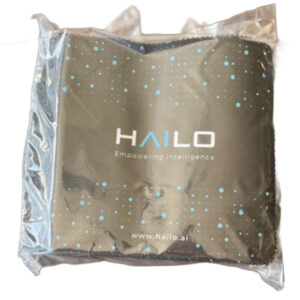
The client, a company in the tech space, was looking for an inexpensive, but super useful item to give out at trade shows and conferences. It also needed to be super portable. Those criteria made these lens cleaning cloths the perfect item
Why does the fabric a lens cloth is made from actually matter?
Most people assume a cleaning cloth is a cleaning cloth -- but the material makes an enormous difference, and understanding why starts with understanding what you're actually trying to remove from a lens or screen. The smudges, fingerprints, and film that accumulate on eyeglasses, camera lenses, phone screens, and computer monitors are primarily oils. Skin oils, mostly -- transferred every time you touch a surface or push your glasses up your nose.
Here is where fabric choice becomes critically important. Polyester is one of the most common materials used in inexpensive cleaning cloths, and polyester is a petroleum-based fabric. In other words, it is oil-based. Asking an oil-based cloth to remove an oil-based smudge is a bit like trying to clean up a grease spill with more grease -- you may move the problem around, but you're not truly lifting it away. The result is often a lens that looks smeared rather than clean, requiring multiple passes and never quite achieving the clarity you're after.
Lens cloths made from natural or non-petroleum fibers approach the problem differently. Plant-based fabrics and natural fiber blends have a fundamentally different relationship with oils -- they attract and lift rather than redistribute. The difference in performance is immediately noticeable, and once someone has experienced a truly effective lens cloth, going back to a standard polyester option is frustrating. The fabric is not a minor detail. It's the whole point.
What types of non-petroleum fabrics are used in quality lens cloths, and how do they differ?
There are several natural and non-petroleum fiber options that perform well in lens cleaning applications, each with slightly different characteristics worth understanding.
Cotton is the most familiar natural fiber and has genuine cleaning utility -- it's absorbent, soft, and widely available. However, standard cotton can be too loosely woven to pick up fine particles effectively, and lower-quality cotton cloths can leave lint behind. Tightly woven or specially finished cotton performs better, but it requires attention to construction quality.
Terry weave and waffle weave fabrics -- often produced in cotton or cotton blends -- create a textured surface with more contact points per square inch than a flat weave. That additional surface area means more fiber is engaging with the lens at once, which improves both cleaning efficiency and the ability to trap and hold particles rather than dragging them across the surface.
Suede microfiber made from non-petroleum sources offers an exceptionally fine, soft cleaning surface that is gentle enough for even the most delicate coated lenses. The key distinction here is the fiber source -- not all microfiber is petroleum-based, and natural or wood-pulp-derived ultra-fine fibers deliver the performance characteristics of traditional microfiber without the oil-based chemistry that undermines lens cleaning.
Bamboo-derived fabrics have become increasingly popular as both a performance and sustainability choice. Bamboo fibers are naturally smooth, highly absorbent, and inherently gentle on delicate surfaces. They also carry a compelling environmental story for brands that want their giveaway to reflect a commitment to responsible sourcing.
The right fabric depends on the intended use, the audience, and the surfaces being cleaned. We're happy to walk through the options and help you find the best fit.
Why is a custom printed lens cloth such an effective promotional giveaway, and who benefits most from offering them?
Lens cloths occupy a rare category in the promotional products world: they are consumable enough that recipients genuinely need them, useful enough that they keep them close, and small enough that they travel everywhere. A lens cloth lives in a glasses case, a phone pocket, a camera bag, or a desk drawer -- which means your brand is present in some of the most intimate daily moments a person has with their most essential tools.
Consider who reaches for a lens cloth regularly: eyeglass wearers, which is a significant portion of any professional audience. Photographers. Anyone who works on a screen all day, which at this point is nearly everyone. Anyone with a smartphone, which is essentially everyone else. The audience for this product is virtually universal, which is genuinely unusual for a single promotional item.
For industries where precision, clarity, and quality are core brand values -- optics, healthcare, technology, finance, legal, photography, and countless others -- a lens cloth is also a subtle but effective brand alignment tool. It says something that your giveaway is literally designed to help people see more clearly. That's a brand metaphor that writes itself.
The custom print surface allows for full color branding, a tagline, a QR code, or a campaign message -- all in a format that recipients will handle repeatedly and keep for a long time. As branded giveaways go, the cost per impression on a quality lens cloth is remarkably low. Reach out and let's talk about how one could work for your next event or gifting program.